3 Nov 2026
Intersections Between Player Protection Measures and Multi-Table Dynamics on Licensed Northern European Platforms
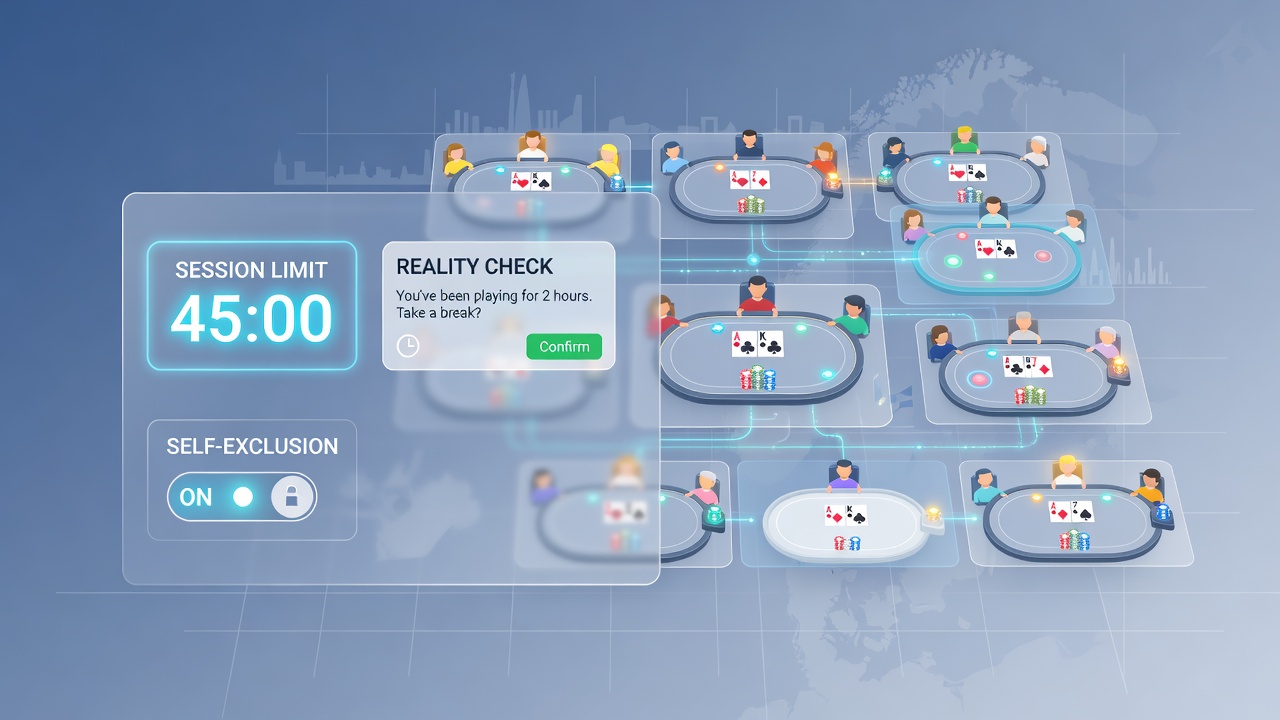
Northern European jurisdictions maintain strict licensing frameworks that combine player protection protocols with operational rules for online poker, and these frameworks shape how multi-table play unfolds on regulated sites in Sweden, Denmark, Norway, and Finland. Data from national regulators shows that operators must integrate deposit limits, reality checks, and loss thresholds directly into platform software, which in turn affects the pace and scale of simultaneous table sessions that players can sustain.
Observers note that multi-table dynamics often involve four to twelve tables running concurrently, yet protection features such as mandatory break prompts after sixty minutes or automatic stake reductions once daily limits approach create interruptions that fragment these sessions. Research indicates that such interruptions reduce average hands played per hour by fifteen to twenty-five percent on platforms subject to Swedish and Danish rules, while the same platforms report higher compliance rates with self-exclusion requests when multi-table tools detect extended play patterns.
Regulatory Frameworks Across Northern Europe
Licensed operators in these markets must embed player protection tools at the account level before any multi-table functionality activates, and this requirement stems from legislation updated progressively through 2025. Figures released by the Danish Gambling Authority reveal that ninety-two percent of active poker accounts carry at least one active limit, with multi-table users showing higher uptake of time-based caps compared with single-table participants. Similar patterns appear in Finnish and Norwegian data, where session-length alerts trigger before players reach the maximum number of tables permitted under their chosen stake profile.
What's interesting is how these rules intersect with software design, because platforms adjust table-join queues automatically once a protection threshold nears, forcing players to close tables rather than open new ones. This mechanism keeps activity within licensed boundaries while preserving the ability to switch between cash games and tournaments without violating daily loss parameters.
Multi-Table Play Patterns Under Protection Constraints
Studies tracking user behavior on licensed Northern European sites demonstrate that players who maintain four or more tables simultaneously adjust their session length downward when reality-check pop-ups activate every thirty minutes, yet they maintain comparable hourly win rates by tightening hand-selection ranges. Evidence suggests that deposit-limit resets scheduled at midnight encourage some multi-tabling users to concentrate activity in shorter evening blocks rather than spreading play across the full day, a shift documented in aggregated platform logs from 2024 through 2026.
But here's the thing: the same logs indicate that voluntary exclusion periods initiated after multi-table sessions frequently last longer than those triggered during single-table play, pointing to a correlation between cognitive load from multiple windows and subsequent decisions to pause gambling entirely. Platforms respond by offering simplified exclusion interfaces that remain accessible even when eight or more tables occupy the screen.

Data on Behavioral Shifts Around November 2026
Regulatory updates scheduled for November 2026 introduce enhanced monitoring of multi-table activity across all licensed operators, requiring real-time reporting of table count alongside protection metric breaches. Early pilot programs already demonstrate that automated table-count caps linked to loss thresholds reduce the incidence of rapid deposit increases by thirty percent, according to preliminary findings shared by the Norwegian Gaming Authority. Those who've analyzed the pilot data note that players adapt by pre-selecting table maximums within their account settings, which in turn lowers the frequency of manual interventions by support staff.
Academic reviews from institutions in the region further examine how these adjustments influence tournament participation, because sit-and-go and multi-table tournament formats allow stacking of entries up to a regulatory ceiling that protection tools monitor continuously. Data shows that entrants who set conservative loss limits complete fewer late-stage entries yet exhibit steadier bankroll retention over quarterly periods.
Operational Adjustments by Licensed Operators
Operators respond to these intersections by refining user-interface elements so that protection alerts appear in dedicated side panels rather than overlaying active tables, thereby minimizing disruption while still meeting compliance standards. Industry reports indicate that this design choice correlates with sustained multi-table volumes even after stricter limit enforcement begins, because players retain visibility of all open tables without forced closures during alert sequences.
External analyses from the European Commission’s gambling policy reviews highlight comparable approaches in neighboring markets, where similar integrations between protection protocols and multi-table software have stabilized player retention metrics. One such review links these integrations to reduced instances of account reactivation following exclusion periods, particularly among users who previously managed eight or more tables in a single session.
Conclusion
Platform logs and regulatory statistics together illustrate that player protection measures and multi-table dynamics on licensed Northern European sites operate as interconnected systems rather than isolated features. As November 2026 approaches, forthcoming reporting requirements will likely supply additional datasets that clarify how these systems continue to evolve, while operators maintain software configurations that respect both player autonomy and regulatory mandates. The documented patterns suggest ongoing calibration between session scale and protective thresholds will remain central to licensed poker offerings in the region.